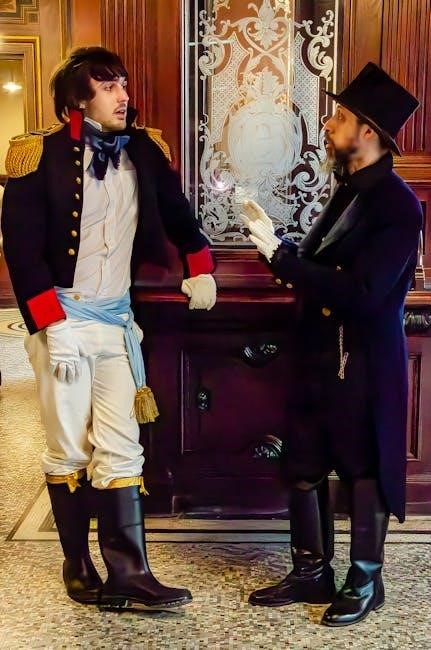
The Historical Context of “The Gentleman’s Guide to Vice and Virtue”
Mackenzi Lee’s novel vividly portrays 18th-century England, steeped in the Grand Tour tradition. This journey was crucial for young gentlemen, shaping their education and societal standing.
The narrative reflects the era’s societal norms, class structures, and expectations placed upon aristocratic young men before entering adulthood and taking on responsibilities.
The Grand Tour Tradition
The Grand Tour, a pivotal element within The Gentleman’s Guide to Vice and Virtue, was a traditional rite of passage for young men of the English upper class during the 18th century. This extended journey across Europe, often spanning several years, served as a capstone to their education, moving beyond the confines of formal schooling.
It wasn’t merely a vacation; it was a carefully curated experience designed to cultivate refinement, broaden perspectives, and instill a sense of cultural understanding. Young gentlemen, like Lord Henry “Monty” Montague, would visit iconic cities – Rome, Venice, Paris – immersing themselves in art, architecture, and the social customs of different nations.
The Tour was intended to prepare them for roles of leadership and responsibility within British society. However, it also provided a degree of freedom and anonymity, allowing for exploration of personal interests, and, as the novel suggests, indulgence in pleasures that might be frowned upon at home. The journey was often accompanied by a tutor or companion, like Percy “Puck” Fitzwilliam, to ensure proper conduct, though the degree of success varied greatly.
Mackenzi Lee masterfully utilizes the Grand Tour as a backdrop, highlighting both its educational purpose and the opportunities it presented for self-discovery, rebellion, and the pursuit of forbidden desires.
18th-Century English Society and Class
The Gentleman’s Guide to Vice and Virtue is deeply rooted in the rigid social hierarchy of 18th-century England. Society was sharply divided by class, with the aristocracy – like the Montague family – holding immense power, wealth, and privilege. Expectations were incredibly strict, dictating behavior, marriage prospects, and even personal desires.
The novel accurately portrays the importance of lineage and reputation. A gentleman’s standing depended not only on his family’s title but also on maintaining a façade of respectability. Any scandal, particularly involving moral failings, could ruin a family’s social standing and future prospects.

Beneath the aristocracy lay a complex network of gentry, merchants, and laborers, each with their own defined roles and limitations. Social mobility was limited, and opportunities for advancement were often restricted by birth. This rigid structure created a pressure cooker of societal expectations, particularly for young men expected to uphold family honor and contribute to the nation’s prosperity.
Lee’s work subtly critiques these constraints, exploring how individuals navigated – and sometimes rebelled against – the limitations imposed by their social class and the era’s prevailing norms;
Social Expectations for Gentlemen
In 18th-century England, a gentleman’s life was governed by a strict code of conduct. Beyond possessing wealth and a noble title, a true gentleman was expected to demonstrate refined manners, intellectual curiosity, and a commitment to public service. The Grand Tour, as depicted in The Gentleman’s Guide to Vice and Virtue, was integral to this formation.
Young men were sent to Europe to study classical languages, art, and architecture, ostensibly to broaden their minds and prepare them for leadership roles. However, the Tour also provided opportunities – and temptations – that could challenge a gentleman’s virtue. Maintaining a respectable image while indulging in personal pleasures was a delicate balancing act.
Marriage was often viewed as a strategic alliance, aimed at consolidating wealth and social standing. Emotional connection was secondary to securing a suitable match. Gentlemen were expected to uphold family honor, manage their estates responsibly, and contribute to the political and economic well-being of the nation. Any deviation from these expectations could result in social ostracism.
The novel cleverly explores the hypocrisy inherent in these expectations, revealing the pressures faced by young men striving to conform to an idealized image of masculinity and respectability.

Characters and Relationships
Mackenzi Lee’s novel centers on Lord Henry “Monty” Montague, his sister Felicity, and his loyal friend Percy “Puck” Fitzwilliam. Their complex dynamics drive the narrative forward.
The story explores themes of loyalty, complicity, and the evolving bonds between siblings and friends amidst societal pressures.
Lord Henry “Monty” Montague: A Character Study

Lord Henry “Monty” Montague is presented as a complex and initially self-absorbed young nobleman. He embodies the privileges and expectations of 18th-century English aristocracy, yet simultaneously grapples with internal conflicts and a burgeoning sense of self-discovery.
At the outset of the novel, Monty appears primarily concerned with pleasure and avoiding the responsibilities that await him upon completing his education. His father’s directive to embark on a Grand Tour is viewed as a necessary evil – a means to an end, rather than an opportunity for genuine growth.
However, as Monty journeys across Europe, his character undergoes a significant transformation. He is forced to confront his own prejudices, desires, and the societal constraints that define his world. His pursuit of pleasure is not merely hedonistic; it’s intertwined with a search for identity and acceptance.
Monty’s internal struggle with his sexuality is a central aspect of his character arc. He navigates a society that condemns same-sex relationships, leading to secrecy, deception, and a profound sense of isolation. His interactions with Percy Fitzwilliam reveal a deep emotional connection that challenges conventional norms.
Ultimately, Monty’s journey is one of self-acceptance and moral reckoning. He learns to embrace his true self, even in the face of societal disapproval, and to prioritize genuine connection over superficial pleasures.
Percy “Puck” Fitzwilliam: Loyalty and Complicity
Percy “Puck” Fitzwilliam serves as a crucial foil to Lord Henry Montague, embodying unwavering loyalty and a complex form of complicity. He is Monty’s closest friend and confidant, accompanying him on the Grand Tour and witnessing his escapades firsthand;
Puck’s character is defined by his devotion to Monty, often prioritizing his friend’s happiness and well-being above his own. This loyalty, however, leads him to participate in Monty’s schemes and conceal his secrets, blurring the lines between friendship and enabling questionable behavior.

While seemingly content to play a supporting role, Puck harbors his own hidden desires and vulnerabilities. His affection for Monty extends beyond platonic friendship, creating a tension that remains largely unspoken throughout much of the novel. He navigates a precarious position, bound by societal expectations and his own unrequited feelings.
Puck’s complicity raises ethical questions about the nature of friendship and the responsibility one has to challenge harmful behavior. He is aware of the potential consequences of Monty’s actions, yet chooses to remain silent, fearing the repercussions of betrayal.
Ultimately, Puck’s character highlights the complexities of navigating social constraints and the sacrifices one makes in the name of loyalty. His journey is one of quiet suffering and unfulfilled longing.
Felicity Montague: The Sister’s Role and Agency
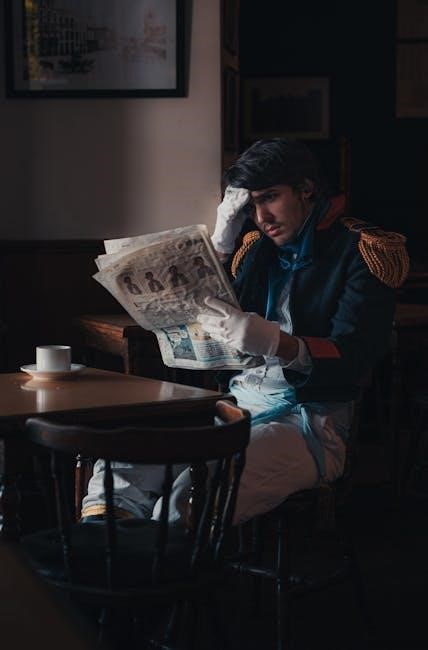
Felicity Montague initially appears as a conventional companion to her brother, Lord Henry, on his Grand Tour. However, she quickly transcends the expected role of a dutiful sister, demonstrating remarkable agency and intelligence.
Despite the limitations imposed upon women in 18th-century society, Felicity actively pursues her own intellectual interests, particularly in the field of natural philosophy. She challenges societal norms by engaging in scholarly pursuits typically reserved for men, showcasing a thirst for knowledge and independence.
Felicity’s presence on the tour is not merely ornamental; she serves as a moral compass for Monty, often questioning his reckless behavior and offering insightful observations. She possesses a keen understanding of social dynamics and is unafraid to speak her mind, even when it clashes with societal expectations.
Her character arc explores the constraints placed upon women and her determination to carve out a space for herself within a patriarchal society. She navigates the complexities of familial duty and personal ambition, seeking a life beyond the confines of marriage and domesticity.
Felicity’s journey is one of self-discovery and empowerment, demonstrating that even within restrictive circumstances, women can exercise agency and challenge the status quo.

Themes Explored in the Novel
“The Gentleman’s Guide to Vice and Virtue” delves into the conflict between societal expectations and personal desires, exploring vice, virtue, and queer identity within a restrictive historical context.
The novel examines self-discovery and acceptance.
Vice vs. Virtue: A Central Conflict
The core of “The Gentleman’s Guide to Vice and Virtue” revolves around the internal and external struggle between indulging in pleasure and adhering to societal expectations of morality. Lord Henry “Monty” Montague, initially presented as a hedonistic young man, embarks on a Grand Tour with the explicit intention of experiencing a life of vice before settling into the responsibilities of his title.
However, this pursuit is constantly challenged by the constraints of 18th-century English society and his own developing sense of self. The novel doesn’t simply portray vice as inherently negative; rather, it explores the motivations behind it – a rebellion against stifling norms, a search for genuine connection, and a desire for personal freedom.
Conversely, virtue isn’t presented as a rigid set of rules, but as a complex and often difficult path. Monty’s journey forces him to confront the consequences of his actions and to question what truly constitutes a good life. The narrative skillfully demonstrates that the line between vice and virtue is often blurred, and that both can be intertwined with pain, regret, and ultimately, growth. The conflict isn’t about choosing one over the other, but about finding a balance and defining one’s own moral compass.
Queer Identity and Societal Constraints

“The Gentleman’s Guide to Vice and Virtue” boldly addresses queer identity within the restrictive social landscape of 18th-century England. Monty’s internal struggle isn’t solely about navigating societal expectations of a gentleman, but also about concealing his true desires in a time when homosexuality was criminalized and deeply stigmatized.
The novel portrays the immense pressure to conform to heteronormative standards, forcing individuals to live double lives and suppress their authentic selves. Monty’s relationship with Percy “Puck” Fitzwilliam is central to this exploration, showcasing the complexities of their bond amidst a society that would condemn it.
Lee masterfully depicts the fear, secrecy, and vulnerability experienced by queer individuals during this period. The narrative highlights the courage required to navigate a world that actively sought to erase their existence. It’s not simply a romance, but a powerful commentary on the societal constraints that shaped – and often destroyed – queer lives. The story underscores the importance of finding acceptance and forging connections, even in the face of overwhelming adversity, and the bravery it took to live authentically.
The Search for Self-Discovery and Acceptance
At its core, “The Gentleman’s Guide to Vice and Virtue” is a compelling coming-of-age story centered on Lord Henry “Monty” Montague’s journey of self-discovery. His Grand Tour across Europe isn’t merely a frivolous pursuit of pleasure, but a quest to understand his own desires, values, and place in the world.
Monty grapples with societal expectations, familial pressures, and his burgeoning feelings for Percy, forcing him to confront uncomfortable truths about himself. This internal conflict drives the narrative, as he attempts to reconcile his authentic self with the persona expected of a future English lord.
The novel beautifully illustrates the challenges of accepting oneself, particularly when that self deviates from societal norms. Monty’s journey is one of liberation, as he learns to embrace his true identity and find acceptance – not just from others, but from within. The story emphasizes the importance of self-awareness, honesty, and the courage to defy expectations in pursuit of genuine happiness and fulfillment. Ultimately, it’s a celebration of individuality and the power of self-acceptance.

Plot and Narrative Structure
“The Gentleman’s Guide to Vice and Virtue” follows Monty’s European Grand Tour with his sister and friend. The narrative unfolds through adventure, secrets, and the consequences of pursuing pleasure, ultimately revealing deceptions;
Monty’s Journey Across Europe
Lord Henry “Monty” Montague’s Grand Tour, as depicted in “The Gentleman’s Guide to Vice and Virtue,” isn’t merely a geographical journey; it’s a transformative odyssey across the cultural landscape of 18th-century Europe. Initially intended as a supervised prelude to university and responsible adulthood, Monty’s travels quickly veer off course, fueled by his desire for pleasure and a rebellion against societal expectations.
The narrative traces his path through various European cities, each serving as a backdrop for both extravagant indulgence and burgeoning self-discovery. From the refined courts to hidden corners, Monty encounters a diverse cast of characters who challenge his preconceived notions and force him to confront his own desires. His journey isn’t simply about visiting landmarks; it’s about navigating complex social dynamics, engaging in clandestine encounters, and grappling with the weight of his family’s legacy.
As Monty traverses the continent, the tour becomes a catalyst for unraveling long-held secrets and confronting uncomfortable truths about himself and those around him. The pursuit of pleasure, initially a carefree endeavor, gradually reveals its consequences, forcing Monty to re-evaluate his priorities and consider the true meaning of virtue. His travels are punctuated by moments of both exhilaration and peril, shaping him into a more complex and self-aware individual.
The Pursuit of Pleasure and its Consequences
“The Gentleman’s Guide to Vice and Virtue” intricately explores the allure and repercussions of seeking unrestrained pleasure. Lord Monty Montague’s initial quest for enjoyment, free from the constraints of societal expectations, quickly spirals into a series of increasingly risky behaviors. This pursuit isn’t presented as purely hedonistic; it’s deeply intertwined with Monty’s struggle to define himself and escape the predetermined path laid out for him.
However, the novel doesn’t shy away from depicting the consequences of these choices. Monty’s actions lead to complications, jeopardizing his reputation, straining his relationships, and forcing him to confront the potential for heartbreak and betrayal. The narrative demonstrates that unchecked indulgence isn’t without cost, and that true freedom requires a degree of responsibility and self-awareness.
The consequences extend beyond personal repercussions, impacting those closest to Monty, particularly his sister, Felicity, and his loyal companion, Percy. Their involvement in his escapades highlights the interconnectedness of their lives and the ripple effect of his decisions; Ultimately, the novel suggests that the pursuit of pleasure, while tempting, must be tempered with consideration for others and a willingness to accept the inevitable consequences.
The Unraveling of Secrets and Deceptions

“The Gentleman’s Guide to Vice and Virtue” masterfully builds tension through a web of concealed truths and deliberate misdirection. As Lord Monty Montague’s journey across Europe unfolds, long-held family secrets begin to surface, challenging his understanding of his lineage and his father’s motivations. These revelations aren’t merely plot devices; they are integral to Monty’s personal growth and his evolving sense of identity.
Deception permeates the narrative, not only from external sources but also within Monty’s own actions and omissions. He engages in calculated maneuvers to conceal his true feelings and desires, creating a facade of conformity while secretly rebelling against societal norms. This duplicity, while initially intended for self-preservation, ultimately complicates his relationships and fuels the central conflicts of the story.
The unraveling of these secrets and deceptions forces characters to confront uncomfortable truths about themselves and those they thought they knew. The consequences are far-reaching, leading to betrayals, reconciliations, and a re-evaluation of loyalties. The novel demonstrates that honesty, while often difficult, is essential for genuine connection and lasting happiness.