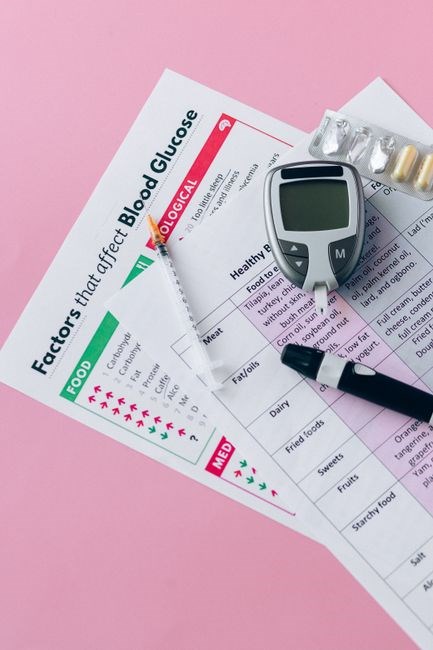
Overview of Endocrine System Worksheets
These downloadable worksheets offer concise reviews of endocrine glands‚ hormone functions‚ and clinical scenarios. Students match hormones to glands‚ solve matching quizzes‚ and analyze case studies‚ reinforcing textbook concepts with interactive practice. It also offers quick answer keys today.
Key Learning Objectives
- Identify the primary endocrine glands (pituitary‚ thyroid‚ adrenal‚ pancreas‚ parathyroid) and the hormones they secrete.
- Explain hormone synthesis‚ release‚ and feedback mechanisms that regulate metabolism‚ growth‚ and stress responses.
- Match hormones to target tissues and predict physiological outcomes in normal and pathological conditions.
- Analyze clinical case scenarios illustrating hormone deficiency or excess‚ such as hypothyroidism‚ Cushing’s syndrome‚ and diabetes mellitus.
- Interpret laboratory data and therapeutic interventions based on hormone signaling pathways.
- Assess the influence of endocrine disruptors and lifestyle factors on hormonal balance and overall health.
- Develop critical thinking by designing experiments or worksheets that evaluate hormone function and regulation.
- Compare and contrast the roles of steroid versus peptide hormones in regulating physiological processes.
- Evaluate the impact of chronic stress on adrenal hormone secretion and downstream metabolic effects.
- Design a simple laboratory experiment to measure serum insulin levels using a colorimetric assay.
- Summarize how thyroid hormone levels influence basal metabolic rate and thermogenesis in humans.
- Integrate knowledge of endocrine feedback loops to explain how the hypothalamic-pituitary-adrenal axis responds to acute versus chronic inflammatory stimuli‚ including the roles of CRH‚ ACTH‚ cortisol‚ and glucocorticoid receptors.
- Ensure citation to alland sources.
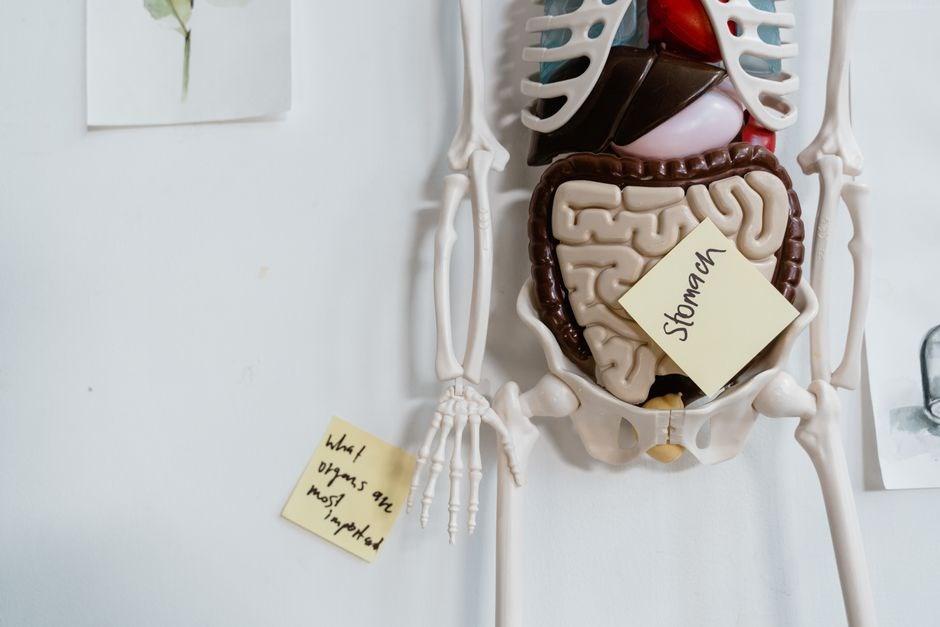
Anatomy of Major Glands Covered
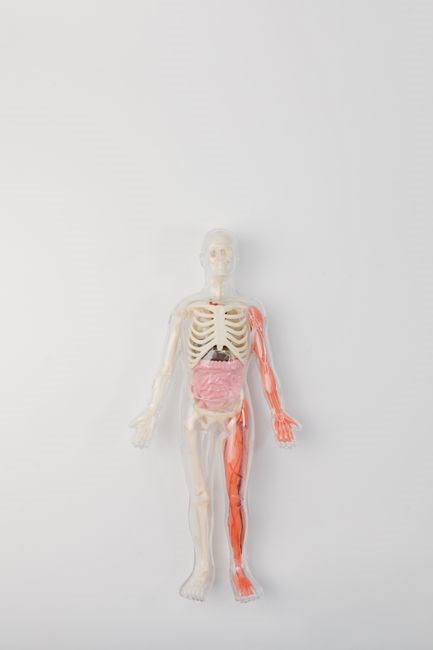
The worksheet outlines the pituitary‚ thyroid‚ adrenal‚ pancreas‚ and parathyroid glands‚ detailing their anatomical locations‚ lobular structures‚ and hormone‑producing cells. Students compare glandular architecture to functional output‚ reinforcing spatial‑functional relationships. See diagram.
Pituitary‚ Thyroid‚ Adrenal‚ Pancreas‚ and Other Key Organs
The worksheet dissects the pituitary’s anterior and posterior lobes‚ highlighting hormone‑secreting cells such as somatotropes‚ lactotropes‚ corticotropes‚ and the posterior release of oxytocin and vasopressin. It maps the thyroid’s follicular architecture‚ elucidating thyroglobulin synthesis and iodine uptake‚ and contrasts follicular cells with parafollicular C‑cells that produce calcitonin. Adrenal anatomy is split into cortex and medulla; the cortex’s zona glomerulosa‚ fasciculata‚ and reticularis layers produce aldosterone‚ cortisol‚ and androgens‚ while the medulla’s chromaffin cells release epinephrine and norepinephrine. Pancreatic islets are detailed‚ showing alpha‚ beta‚ delta‚ PP‚ and epsilon cells and their respective glucagon‚ insulin‚ somatostatin‚ pancreatic polypeptide‚ and ghrelin outputs. The worksheet also covers the parathyroid glands‚ pineal body‚ and the hypothalamic neuroendocrine system‚ linking structure to hormonal regulation and feedback loops. Students compare histology slides‚ identify cell types‚ and annotate hormone pathways‚ reinforcing the link between anatomy and endocrine function. Additionally‚ the worksheet includes a comparative table of hormone half‑lives and receptor types to aid in memorization and clinical relevance.

Hormone Identification Section
Match each hormone to its secretory gland using the provided list. The worksheet lists key hormones—ACTH‚ TSH‚ insulin‚ adrenaline‚ oxytocin‚ etc.—and blank boxes for students to fill. This activity reinforces gland‑hormone relationships and supports quick review. Use color coding for memory! now
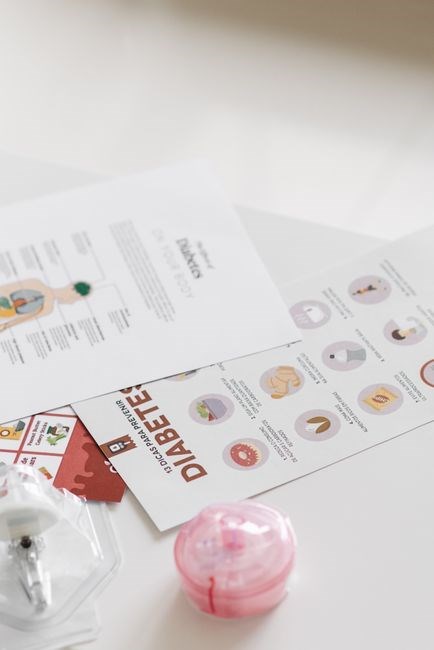
Matching Hormones to Glands
In this section students pair each hormone with its source gland. The worksheet lists 20 hormones—ACTH‚ TSH‚ insulin‚ glucagon‚ epinephrine‚ norepinephrine‚ aldosterone‚ cortisol‚ growth hormone‚ prolactin‚ oxytocin‚ vasopressin‚ calcitonin‚ parathyroid hormone‚ melatonin‚ serotonin‚ dopamine‚ gastrin‚ secretin‚ cholecystokinin. Each hormone has a blank for the gland name. Students write the correct gland—pituitary‚ thyroid‚ adrenal cortex‚ adrenal medulla‚ pancreas‚ pineal‚ hypothalamus‚ parathyroid‚ etc. The matching activity reinforces endocrine feedback loops and organ‑specific hormone synthesis. The worksheet includes a key for self‑assessment and a brief explanation of each gland’s role. It is ideal for review sessions or formative assessment. Students can print or use the PDF for offline practice. The activity encourages critical thinking by asking students to justify their choices in a short answer column. This format helps teachers track misconceptions and tailor follow‑up lessons. The PDF also contains a printable answer sheet for quick grading. By engaging with this matching exercise‚ learners solidify their understanding of gland‑hormone relationships and prepare for higher‑level endocrine concepts. The exercise is designed for biology‚ introductory college courses‚ or continuing education modules. Enjoy the learning experience!

Hormone Function Scenarios
Students analyze real‑world cases: a diabetic patient’s insulin response‚ cortisol’s role in stress‚ thyroid hormone effects on metabolism‚ and aldosterone’s impact on sodium balance. Each scenario prompts explanation of hormone action and feedback loops.!!! ??
Clinical Correlation Cases for Hormone Actions
Case 1: A 45‑year‑old woman reports fatigue‚ weight gain‚ and cold intolerance. Labs show high TSH and low free T4‚ confirming primary hypothyroidism. Students identify the thyroid gland‚ the hormone thyroxine‚ and explain how low hormone levels reduce metabolism and impair neuronal function. They discuss negative feedback on TSH and levothyroxine therapy.
Case 2: A 28‑year‑old man has episodic headaches‚ sweating‚ palpitations‚ and sudden hypertension. Imaging finds an adrenal adenoma secreting catecholamines. Students analyze pheochromocytoma pathophysiology‚ discuss alpha‑blockade pre‑op‚ and outline metanephrine testing and surgical removal.
Case 3: A 12‑year‑old boy shows rapid growth‚ delayed puberty‚ and a testicular mass. Biopsy reveals a Leydig cell tumor secreting excess testosterone‚ causing precocious puberty. Students explain androgen excess effects‚ feedback inhibition on GnRH‚ and discuss imaging‚ surgery‚ and potential infertility.
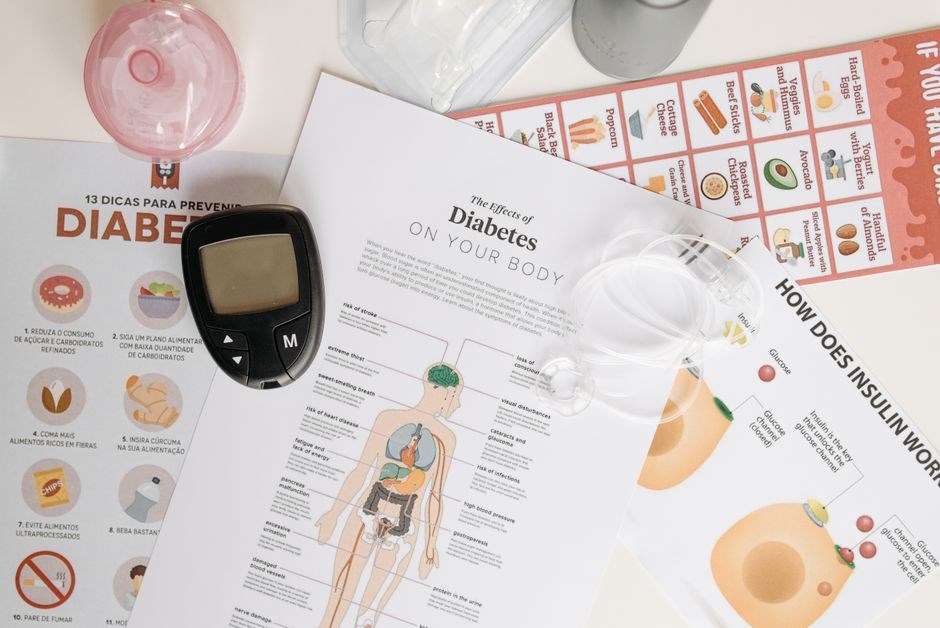
Case 4: A 60‑year‑old woman with chronic kidney disease presents hyperphosphatemia and hypocalcemia. Elevated parathyroid hormone (PTH) indicates secondary hyperparathyroidism. Students evaluate PTH’s role in bone resorption‚ renal calcium reabsorption‚ and vitamin D activation. Students discuss phosphate binders‚ parathyroidectomy as treatment options
Students should also consider the impact of vitamin D deficiency on calcium homeostasis and the use of calcitriol therapy in resistant cases.

Worksheet Format and Download Options
Choose PDF‚ Word‚ or text. Click icons to download or view online. Formats preserve formatting‚ enable printing‚ and support accessibility. Use the toolbar for quick edits or share links with classmates. All files are accessible on mobile and desktop‚ ensuring seamless study. Download now! and share!
PDF‚ Word‚ Text‚ and Online Read‑Only Versions
Students and educators can download the endocrine system worksheet in multiple formats to suit diverse learning environments. For those who prefer editing‚ the Word document allows users to highlight‚ add comments‚ or modify questions before printing. Additionally‚ an online read‑only view is available‚ enabling instant access without the need for downloads. This web‑based format supports responsive design‚ automatically adjusting to screen size‚ and includes interactive features such as clickable answer keys and embedded hyperlinks to supplementary resources. All formats are free to download and can be shared within classroom settings or on learning management systems. By providing these options‚ the worksheet accommodates varying technological resources‚ promotes accessibility‚ and encourages collaborative learning. Whether you need a hard copy for a hands‑on activity or a digital version for remote instruction‚ the endocrine system worksheet is ready to support your educational goals.
Each file is optimized for quick loading: the PDF is under 2 MB‚ the Word document is less than 1 MB‚ and the text file is only a few kilobytes. Compatibility is guaranteed with Windows‚ macOS‚ Linux‚ iOS‚ and Android. For educators‚ batch download links are provided‚ and the online view includes a “Print” button that formats the worksheet for paper. Accessibility features such as alt text for images and keyboard navigation are embedded in all formats‚ ensuring compliance with WCAG 2.1 standards. The read‑only web page also offers a dark‑mode toggle for nighttime study sessions. By offering these versatile options‚ the resource remains flexible and inclusive for all learners. Enjoy!
Answer Key and Grading Rubric
Answer key provides correct responses‚ scoring rubric assigns points per question‚ includes partial credit guidelines. Teachers can use it to assess understanding quickly. Format is printable and compatible with LMS. Downloadable PDF available. Students can annotate and discuss solutions together.!
How to Use the Answers and Assess Student Performance
Teachers can quickly verify student responses by comparing each answer to the provided key. Assign 1 point for a correct answer‚ 0.5 for partially correct‚ and 0 for incorrect; Use the rubric to identify common misconceptions‚ such as confusing cortisol with aldosterone. After grading‚ provide individualized feedback highlighting strengths and areas for improvement. Encourage peer discussion to reinforce learning. For larger classes‚ use the online grading tool to auto‑score and generate class averages. Track progress over time to adjust instruction. Students can review their scores and revisit challenging questions; This systematic approach ensures consistent assessment and supports mastery of endocrine concepts.
In addition‚ the answer key includes explanations for each item‚ helping students understand why certain options are correct or incorrect. Teachers can use these explanations to design follow‑up activities that target weak areas. The rubric also offers a grading scale that accommodates partial credit‚ encouraging students to attempt all questions. By reviewing the key after class‚ students can self‑correct and reinforce learning. The worksheet format supports collaborative learning; groups can compare answers and discuss reasoning; This iterative process promotes deeper comprehension and retention of endocrine principles.
Finally‚ the rubric allows teachers to track class performance trends‚ identify topics needing reteaching‚ and celebrate mastery milestones‚ fostering a supportive learning environment

Supplementary Resources and Extensions
Explore interactive modules‚ video lectures‚ and quizzes on platforms like Khan Academy‚ Coursera‚ and PubMed. Download detailed case studies‚ infographics‚ and virtual lab simulations to deepen understanding. Share links in class for self‑paced learning. Use these resources for student projects
Links to Educational Sites and Further Reading on the Endocrine System
Explore a curated list of reputable online resources for deeper insight into the endocrine system. The American Association of Clinical Endocrinologists (AACE) offers evidence‑based guidelines‚ patient education modules‚ and continuing medical education courses. The Endocrine Society hosts a comprehensive library of peer‑reviewed articles‚ webinars‚ and conference proceedings covering basic science and clinical practice. PubMed Central provides free access to full‑text research papers and review articles on hormone physiology‚ endocrine disorders‚ and therapeutic interventions. The National Institutes of Health’s NIH Office of Rare Diseases supplies detailed disease monographs‚ patient support information‚ and links to clinical trials. Khan Academy features animated tutorials‚ quizzes‚ and interactive case studies that illustrate hormone signaling pathways and feedback mechanisms. Coursera partners with universities to deliver courses such as “Endocrinology: The Hormonal System” and “Hormone Regulation and Metabolism.” The University of Michigan’s OpenStax Biology textbook includes a dedicated chapter on endocrine glands‚ hormones‚ and disease states‚ available for free download. The Hormone Wiki (hormonewiki.org) aggregates concise entries on hormone structure‚ function‚ and regulation‚ with cross‑references to related topics. For visual learners‚ the Visible Body app offers 3D models of endocrine organs‚ allowing interactive labeling exercises. Finally‚ the Society for Endocrinology’s e‑learning portal provides scenario‑based learning modules‚ assessment tools‚ and downloadable worksheets aligned with curriculum standards. Students and educators can also benefit from the interactive modules on the Hormonepedia platform‚ which allows users to construct hormone pathways and test their understanding through instant feedback. The OpenStax textbook includes downloadable worksheets that can be integrated into lesson plans. The Endocrine Review blog offers summaries research‚ clinical trials‚ interviews. Additionally‚ the Hormone Hub provides quizzes that test knowledge of hormone pathways and endocrine feedback loops. The endocrine education portal also hosts a podcast series featuring interviews with leading endocrinologists worldwide.