Surah Baqarah Last 3 Ayat: A Comprehensive Overview (as of 04/01/2026)
This overview details resources for studying Surah Al-Baqarah’s final verses (284-286), including readily available PDF downloads of Tafsir by Shaikh Abdur-Rahman Bin Nasir Saadi,
and translations accessible through the Internet Archive for deeper understanding.
Surah Al-Baqarah, the second and longest chapter of the Quran, holds immense significance within Islamic theology and practice. Comprising 286 verses, it addresses a wide spectrum of topics, from fundamental beliefs and legal rulings to historical narratives and moral guidance. The concluding verses, specifically Ayat 284-286, are particularly noteworthy, often studied and recited due to their profound message concerning accountability, faith, and supplication.
Numerous scholars have dedicated extensive commentary (Tafsir) to these final verses, recognizing their comprehensive nature. Resources like those authored by Shaikh Abdur-Rahman Bin Nasir Saadi, available in PDF format, provide detailed explanations. These PDFs, alongside translations found on platforms like the Internet Archive, offer accessible pathways for believers to delve into the wisdom contained within Surah Al-Baqarah’s concluding remarks, fostering a deeper connection with the divine message.
The Significance of the Final Verses (Ayat 284-286)
Ayat 284-286 of Surah Al-Baqarah encapsulate core tenets of Islamic belief, emphasizing divine knowledge encompassing both outward actions and inner thoughts. These verses highlight that Allah (SWT) is aware of all, and accountability for one’s deeds is absolute. They articulate the characteristics of the righteous – those who believe in the unseen and establish prayer – and culminate in a powerful dua (supplication) seeking guidance and forgiveness.
The profound nature of these ayat explains their widespread recitation and study. Access to resources like Shaikh Abdur-Rahman Bin Nasir Saadi’s Tafsir, often available as a PDF, allows for in-depth understanding. Furthermore, online platforms such as the Internet Archive host translations, making these vital verses accessible to a global audience seeking spiritual enrichment and guidance from the Quranic text.
Content and Translation of the Ayat
These verses (284-286) detail accountability, the faith of the righteous, and a believer’s supplication, with translations and Tafsir readily available in PDF format.
Ayat 284: Accounting for Inner and Outer Actions
Ayat 284 of Surah Al-Baqarah emphasizes complete accountability before Allah. It states that to Him belongs everything in the heavens and earth, and He will judge all actions, whether outwardly expressed or concealed within the heart. This verse, available in numerous PDF translations and Tafsir works – notably those by Shaikh Abdur-Rahman Bin Nasir Saadi – highlights that intentions are as crucial as deeds.
The verse serves as a powerful reminder that nothing escapes Allah’s knowledge. PDF resources detail how this accountability extends to both what we reveal and what we hide, urging believers to purify their inner selves. Scholarly explanations, found in downloadable PDFs, emphasize the importance of sincere repentance and striving for righteousness, knowing that all will be brought to account on the Day of Judgement. The Internet Archive also provides access to related commentaries.
Ayat 285: The Belief of the Righteous
Ayat 285 of Surah Al-Baqarah articulates the profound faith held by the righteous believers. It declares their belief in Allah, His revealed books, His messengers, and the Day of Judgement, coupled with a sincere desire for Allah’s pleasure and forgiveness. PDF versions of the Quran, alongside Tafsir by scholars like Shaikh Abdur-Rahman Bin Nasir Saadi, readily available for download, elaborate on this complete and unwavering faith.
These resources highlight that true believers not only profess faith but also actively demonstrate it through their actions. PDF commentaries explain that this verse emphasizes the interconnectedness of belief and practice. The Internet Archive hosts numerous resources detailing the characteristics of the righteous, offering insights into cultivating this level of faith. It’s a cornerstone of Islamic belief, beautifully explained in accessible PDF formats.
Ayat 286: The Dua (Supplication) of the Believers
Ayat 286 of Surah Al-Baqarah presents a powerful dua (supplication) offered by the believers, seeking protection from being burdened beyond their capacity. They implore Allah for forgiveness, and ask not to be tested with hardships they cannot endure. Numerous PDF resources, including translations and detailed Tafsir by scholars like Shaikh Abdur-Rahman Bin Nasir Saadi, provide deeper understanding of this heartfelt plea.
These PDFs emphasize the humility and reliance on Allah expressed in this dua. The Internet Archive offers access to commentaries explaining the wisdom behind seeking ease and forgiveness. It’s a universally relatable supplication, demonstrating the believer’s acknowledgement of their limitations and complete trust in Allah’s mercy. Studying these verses via accessible PDF formats fosters a stronger connection with this vital prayer.

Scholarly Explanations & Tafsir
Detailed Tafsir, particularly from Shaikh Abdur-Rahman Bin Nasir Saadi, is available in PDF format, offering profound insights into the meaning and context of these crucial verses.
Shaikh Abdur-Rahman Bin Nasir Saadi’s Commentary
Shaikh Abdur-Rahman Bin Nasir Saadi’s commentary on Surah Al-Baqarah, verses 284-286, provides a comprehensive and insightful explanation of these pivotal verses. His Tafsir, readily available as a PDF download from sources like Almuflihoon.com, delves into the intricacies of accountability, belief, and supplication presented within the text.
Saadi’s approach emphasizes the balance between acknowledging Allah’s all-encompassing knowledge – encompassing both outward actions and inner thoughts – and the hope for His forgiveness. He meticulously examines the implications of these verses for the righteous, highlighting their unwavering faith and sincere Dua. The PDF resource allows for detailed study, offering a valuable tool for scholars and students alike seeking a deeper understanding of these significant portions of the Quran. His work is considered a cornerstone for understanding these Ayat.
Key Themes in the Tafsir of these Ayat
The Tafsir of Surah Al-Baqarah’s final verses (284-286), particularly as elucidated by Shaikh Abdur-Rahman Bin Nasir Saadi (available in PDF format), centers around several key themes. Paramount is the concept of Divine Accountability – Allah’s complete awareness of both manifest deeds and concealed intentions. This underscores the importance of inner piety alongside outward observance.
Another central theme is the unwavering faith (Iman) of the righteous, characterized by sincere belief and reliance on Allah. The verses also highlight the significance of Dua (supplication) as a means of seeking forgiveness and guidance. Saadi’s commentary emphasizes that Allah’s justice and mercy are intertwined, offering hope for those who sincerely repent. Studying the PDF reveals a nuanced exploration of these themes, providing a holistic understanding of these powerful verses and their implications for believers.
Virtues and Benefits (Fadail)
PDF resources detail the merits of reciting these Ayat, offering protection and facilitating forgiveness; consistent recitation brings immense spiritual rewards and blessings to the believer.
The Merits of Reciting the Last Three Ayat
Numerous PDF documents and online resources highlight the profound benefits of regularly reciting the final three verses of Surah Al-Baqarah (284-286). These Ayat are considered a powerful source of protection against various trials and tribulations, both in this life and the hereafter.
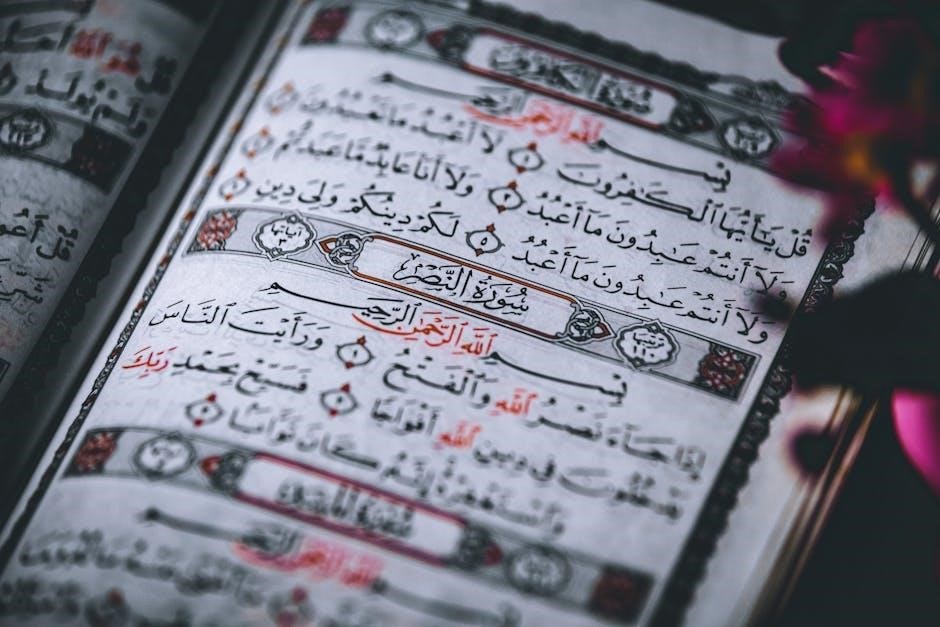
Scholarly interpretations, readily available in downloadable PDF format, emphasize that consistent recitation acts as a shield against the evil eye, black magic, and the whispers of Shaytan. Furthermore, these verses are believed to bring about barakah (blessings) in one’s sustenance, health, and overall well-being.
The Internet Archive provides access to detailed explanations, often found within larger Tafsir collections in PDF form, outlining the specific rewards associated with memorizing and frequently reciting these Ayat. It is a practice highly encouraged within the Muslim community, offering spiritual fortification and a closer connection to Allah.
Protection and Seeking Forgiveness
PDF resources detailing the virtues of Surah Al-Baqarah’s final verses (284-286) consistently emphasize their protective qualities. Recitation is believed to offer a robust shield against negative energies, including the harmful effects of magic and the evil eye, as explained in numerous downloadable Tafsir documents.
Beyond protection, these Ayat serve as a potent means of seeking forgiveness from Allah. The verses encompass a profound acknowledgement of human fallibility and a sincere plea for divine mercy. Online resources, including those accessible via the Internet Archive, highlight how consistent recitation fosters a humble and repentant heart.
Many PDFs detail specific supplications (dua) to be made after reciting these verses, further amplifying their efficacy in seeking forgiveness and attaining peace of mind. This practice is deeply rooted in Islamic tradition and widely encouraged.
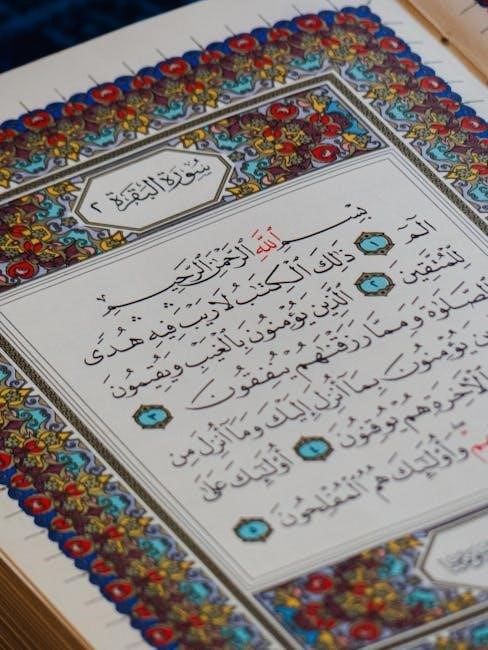
Availability of Resources (PDF & Online)
Numerous PDF downloads of Tafsir, notably by Shaikh Abdur-Rahman Bin Nasir Saadi, are readily available, alongside online access via the Internet Archive for study.
PDF Downloads of Tafsir and Translations
Accessing the profound insights of Surah Al-Baqarah’s concluding verses is simplified through readily available PDF resources. Shaikh Abdur-Rahman Bin Nasir Saadi’s comprehensive explanation of Ayat 284-286, detailing the accountability for both outward actions and inner beliefs, is widely distributed in PDF format.
These PDFs, often published by platforms like Almuflihoon.com, offer a detailed tafsir, illuminating the contextual understanding and linguistic nuances of these crucial verses. Furthermore, translations of the Quran, specifically focusing on these final ayat, are also available as downloadable PDFs, facilitating comprehension for non-Arabic speakers.
These resources provide a convenient and accessible means to delve into the spiritual and theological significance of these verses, fostering a deeper connection with the divine message. Searching online using keywords like “Surah Baqarah last 3 ayat pdf” will yield numerous results, offering a variety of interpretations and translations.
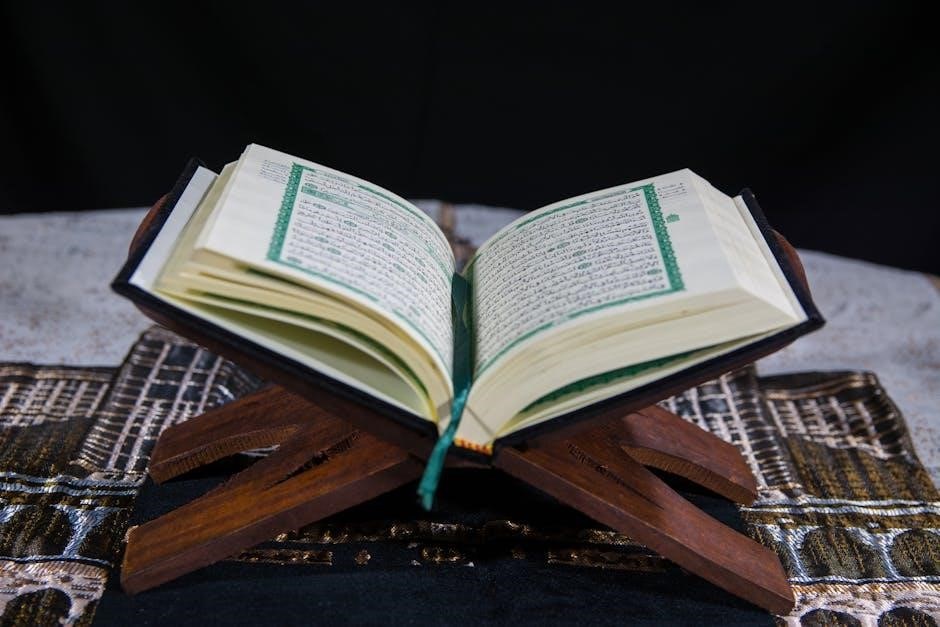
Online Access via Internet Archive
The Internet Archive provides a valuable digital repository for accessing materials related to Surah Al-Baqarah’s final verses (284-286). Users can find digitized copies of Tafsir works, including those by Shaikh Abdur-Rahman Bin Nasir Saadi, offering detailed explanations of the ayat.
The platform’s in-browser book reader allows for convenient online study, though JavaScript must be enabled for optimal functionality. Furthermore, the Internet Archive hosts various translations of the Quran, enabling readers to compare interpretations and deepen their understanding.
Resources like “Surah Baqara last 2 verses” are cataloged, offering access to scholarly discussions and analyses. While some materials may require account creation for borrowing, the Archive provides a wealth of information freely available to researchers and students seeking to explore these significant verses.
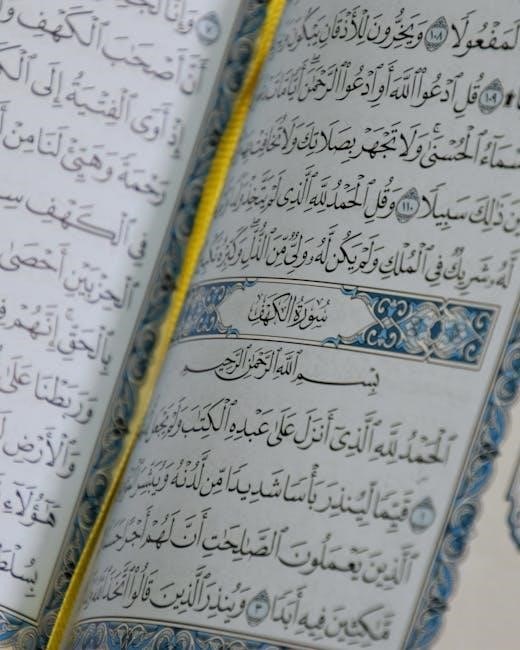
Linguistic and Contextual Analysis
PDF resources facilitate examining the Arabic text and transliteration, alongside historical context of revelation, enriching comprehension of Surah Al-Baqarah’s concluding ayat.
Arabic Text and Transliteration
Accessing the Arabic text of Surah Al-Baqarah, ayat 284-286, is crucial for in-depth study, and numerous PDF resources provide this alongside accurate transliteration. These PDFs allow learners to connect the recitation with the original script, aiding pronunciation and memorization.
Transliteration bridges the gap for non-Arabic speakers, offering a phonetic guide to correctly pronounce each word. PDFs often present the Arabic text with its corresponding transliteration directly beneath, facilitating simultaneous learning.
Furthermore, detailed PDFs may include tashkil (vowel markings), enhancing accuracy in recitation and understanding grammatical nuances. The availability of these resources, often found through the Internet Archive and dedicated Islamic websites, empowers students to engage directly with the Quranic text, fostering a deeper connection and appreciation for its linguistic beauty.
Historical Context of Revelation
Understanding the circumstances surrounding the revelation of Surah Al-Baqarah, ayat 284-286, is vital for proper interpretation. PDFs detailing the asbab al-nuzul (occasions of revelation) illuminate the historical backdrop, providing context to the verses’ meaning. These verses address the hypocrites’ tendency to conceal their true beliefs and outwardly profess faith.
Scholarly PDFs explain that these ayat were revealed following instances of hypocrisy within the early Muslim community, particularly concerning financial dealings and sincerity in religious practice. Knowing this historical context clarifies the verses’ emphasis on accountability for both outward actions and inner intentions.
Resources like those available on the Internet Archive and through Shaikh Abdur-Rahman Bin Nasir Saadi’s Tafsir offer detailed accounts of these events, enriching comprehension and fostering a deeper connection to the Quranic message. This historical understanding is crucial for applying the verses’ lessons to contemporary life.

Surah Baqarah Last 3 Ayat in Bangla
Bangla PDFs offer translations and recitations of these vital verses, catering to the Bengali-speaking community and facilitating access to their profound spiritual benefits.
Bangla Translation and Recitation
Accessing Surah Al-Baqarah’s final three ayat in Bangla is now significantly easier thanks to the proliferation of digital resources. Several PDFs provide meticulously crafted translations, allowing Bengali-speaking Muslims to comprehend the verses’ meaning with clarity and precision.
These resources aren’t limited to just textual translations; many also include audio recitations by renowned Qaris (reciters), enabling learners to grasp the correct pronunciation and intonation – crucial elements in Quranic recitation.
The availability of these Bangla PDFs fosters a deeper connection with the Quran within the Bengali-speaking community, promoting understanding and facilitating regular recitation. Furthermore, these digital formats allow for convenient study and sharing, spreading the blessings of these powerful verses widely.
Resources often include both the Arabic text alongside the Bangla translation, aiding in language learning and comprehension.
Importance in the Bengali-Speaking Community
The final three ayat of Surah Al-Baqarah hold immense significance within the Bengali-speaking Muslim community, deeply ingrained in their spiritual practices. The readily available Bangla PDFs of translations and recitations have amplified this importance, making the verses accessible to a wider audience.
These ayat are frequently recited for seeking blessings, protection, and forgiveness. Many Bengali Muslims incorporate them into their daily dhikr (remembrance of Allah) and offer them as a dua (supplication).
The ease of access through digital PDFs has facilitated communal learning and recitation events, strengthening faith and fostering a shared spiritual experience.
The verses’ message of accountability and reliance on Allah resonates strongly, providing guidance and solace. The Bangla translations ensure accurate understanding, preserving the verses’ original intent and impact within the community’s religious life.